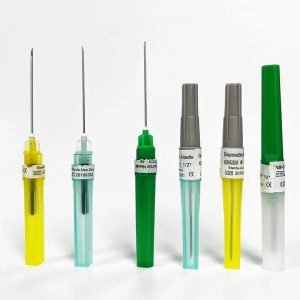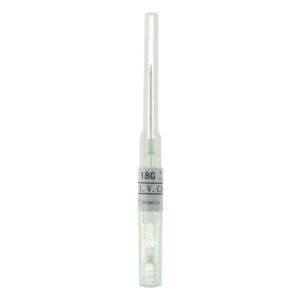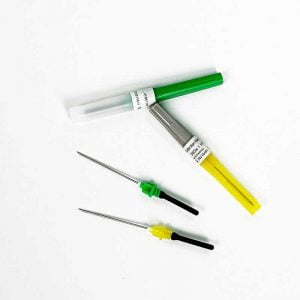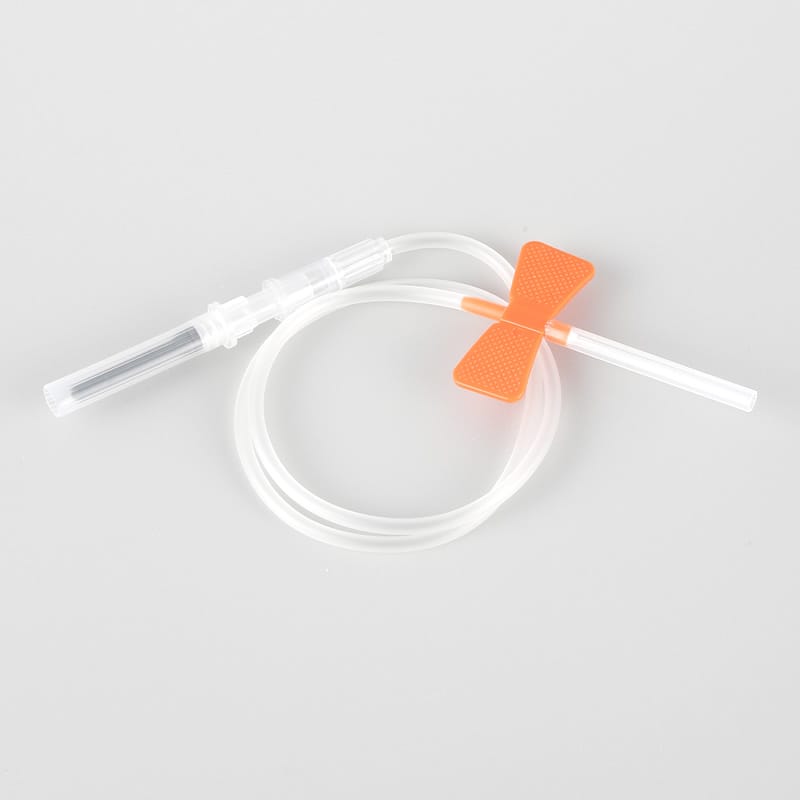
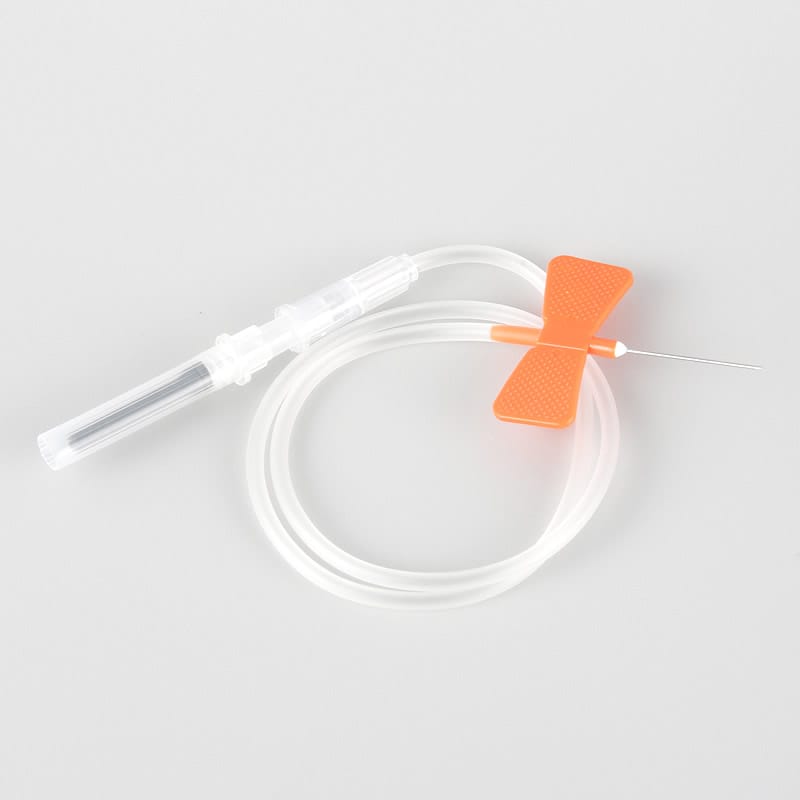
| Product Name | Butterfly Needle |
| Material | Stainless steel |
| OEM/ODM | Yes |
| Certificate | CE, ISO13485, ISO9001 |
| Usage | Blood Collection |
| Needle Length | 20mm |
| Sample | Free |
| Service | In the groups we serve: distributors, import traders, government procurement, buying agents, and medical chain stores, we provide one-stop procurement for you to simplify your procurement process |
Siny Medical supplies the Soft Connection Blood Needle for hospitals, clinical laboratories, diagnostic centers, and medical consumables distributors. This product belongs to the blood collection needle category and features a soft-connection design for appropriate venous sampling applications.
A soft-connection blood needle differs from a conventional direct-connection needle in its connection arrangement. In blood collection systems that incorporate flexible tubing, the connection can provide separation between the venipuncture site and downstream collection equipment. This may help healthcare professionals manage the collection components without directly moving the needle hub.
However, the exact connection structure varies between devices. Buyers should verify the selected model’s tubing arrangement, connector type, and compatibility with their collection system.
Reliable blood collection depends on more than needle design. Needle dimensions, venipuncture technique, tube filling, and specimen handling can all affect laboratory results. Therefore, healthcare facilities should evaluate the complete collection workflow when selecting a suitable device.
At Siny Medical, we supply medical consumables for institutional purchasing and international distribution. We understand the importance of matching blood collection equipment to clinical requirements, purchasing specifications, and laboratory workflows.
The soft-connection configuration is the defining characteristic of this product.
In conventional flexible-connection blood collection systems, a soft connecting section links the needle assembly to downstream collection equipment. This arrangement can provide greater separation between the puncture site and the collection interface than a direct-connection design.
As a result, compatible systems may allow collection components to be handled with less direct movement at the needle hub.
However, the title does not confirm the exact connection material, length, or construction. These characteristics should be verified for the selected product.
Handling is an important consideration during venous blood collection.
In systems that use flexible tubing, the connecting section may accommodate some movement between the needle and the collection equipment. This can be useful when collection tubes are changed during an appropriate multi-tube procedure.
Nevertheless, flexibility alone does not guarantee better clinical performance. Excessive movement, poor needle positioning, or incorrect handling can still affect the procedure.
Healthcare professionals should follow the device instructions and established venipuncture practices.
Needle dimensions influence blood collection performance and clinical suitability.
Gauge describes the external diameter category of a needle. In the conventional gauge system, higher gauge numbers generally indicate smaller diameters.
For example, a 23G needle is finer than a 21G needle. However, the appropriate size depends on vein characteristics, collection requirements, and clinical guidance.
Needle length is equally important for positioning and access.
The available gauge and length options of this Siny Medical product have not been confirmed.
Flexible-connection blood collection systems may introduce additional internal volume into the collection pathway.
This volume is often described as tubing dead space. It can influence how blood reaches the collection tube and may affect procedures requiring precise specimen volumes.
For example, when a sodium citrate tube is the first tube collected through a winged set with tubing, a discard tube may be required to fill the tubing before collecting the coagulation specimen.
The laboratory should follow its validated collection procedure and the device manufacturer’s instructions.
The internal volume of this product’s connection system has not been verified.
Blood collection needles must be compatible with their intended collection equipment.
Depending on the design, a soft-connection system may interface with compatible holders, adapters, or other collection components.
However, connection types differ between products.
Therefore, buyers should confirm the connector arrangement, collection method, and equipment compatibility before purchasing.
Compatibility should never be assumed from the product name alone.
Blood collection requires appropriate infection-prevention practices.
Many clinical blood collection needles are supplied sterile and intended for single use. However, the sterile status, sterilization method, and reuse designation of this particular product have not been confirmed.
Healthcare professionals should follow aseptic procedures, use appropriate personal protective equipment, and handle used sharps safely.
In addition, specimen quality depends on proper tube selection, filling, mixing, and transport.
Soft-connection blood collection systems may be used for routine venous sampling when the selected device is indicated for that purpose.
Healthcare professionals should choose suitable needle dimensions and compatible collection equipment according to patient needs.
The connection arrangement is one part of the procedure. Proper venipuncture technique remains essential for reliable specimen collection.
Many diagnostic procedures require more than one blood collection tube.
In compatible flexible-connection systems, the connecting section separates the needle assembly from the downstream collection interface. This may help clinicians manage tube changes while maintaining appropriate needle positioning.
However, multi-tube collection requires correct equipment and technique.
Healthcare professionals should follow the applicable order of draw, tube filling requirements, and laboratory procedures.
Diagnostic laboratories rely on blood specimens collected under controlled conditions.
Needle selection, collection system compatibility, and specimen handling all influence preanalytical quality.
For example, underfilled additive tubes or inappropriate handling can affect certain test results.
Therefore, laboratories should evaluate soft-connection needle systems as part of their overall collection process.
Hospitals perform venous blood collection for diagnosis, treatment monitoring, and routine clinical investigations.
Different departments may have different requirements for collection equipment.
A soft-connection blood needle may be considered when its intended use and connection design match the hospital’s procedures.
However, selection should follow clinical guidance and verified device specifications.
Outpatient clinics and health screening centers often perform repeated blood collection procedures throughout the day.
These facilities may prioritize equipment compatibility, consistent handling procedures, and efficient inventory management.
For procurement teams, it is important to establish the required needle configuration and collection system before ordering.
Medical distributors supply blood collection consumables to hospitals, laboratories, and healthcare purchasing organizations.
Their customers may require different needle sizes, connector arrangements, packaging formats, and regulatory documentation.
Clear specifications help distributors identify appropriate products and avoid purchasing errors.
Siny Medical supports medical consumables procurement for international distribution and institutional supply.
The main distinction between soft-connection and direct-connection blood collection needles is the arrangement between the needle and downstream collection equipment.
In conventional direct-connection systems, the needle connects closely to the collection holder. In flexible-connection systems, a soft connecting section provides separation between these components.
| Feature | Soft-Connection Blood Needle System | Direct-Connection Blood Needle System |
|---|---|---|
| Connection Arrangement | Soft or flexible connecting section | More direct needle-to-holder connection |
| Needle and Holder Position | May be physically separated | Usually positioned close together |
| Collection Component Handling | Flexible connection may accommodate movement | Holder movement is more directly transmitted |
| Internal Fluid Volume | May include additional connection dead space | Generally has a shorter collection pathway |
| Compatibility | Depends on connector and collection system | Depends on needle and holder design |
| Main Procurement Focus | Connection structure, needle dimensions, compatibility | Needle dimensions and holder compatibility |
These comparisons describe general product categories. Actual performance depends on the selected device.
Soft-connection blood needles and butterfly needles may share certain design characteristics.
For example, many butterfly blood collection sets include flexible tubing. However, the term butterfly specifically describes a winged needle configuration.
In contrast, soft connection describes a connection characteristic.
Therefore, a product may incorporate both features, but one term does not automatically establish the other.
The title of this Siny Medical product does not confirm a butterfly wing configuration.
Buyers should verify the complete needle assembly before selecting a product.
A soft-connection design is not the same as a safety-engineered needle mechanism.
Soft connection refers to the device’s connection arrangement. Safety-engineered needles incorporate specific features intended to reduce accidental sharps exposure.
Some safety devices use protective shields or retractable mechanisms. However, these are separate design characteristics.
The title of this product does not confirm an integrated sharps protection mechanism.
Healthcare facilities requiring safety-engineered devices should verify the selected model’s protection features.
Needle gauge influences the dimensions of the collection pathway.
Across the industry, different gauges are used for different clinical requirements.
| Needle Gauge | Relative Diameter | General Consideration |
|---|---|---|
| 21G | Larger than 22G and 23G | Commonly considered for suitable routine venipuncture |
| 22G | Smaller than 21G | May suit selected venous access requirements |
| 23G | Smaller than 22G | Requires assessment of vein condition and collection performance |
These examples explain general gauge relationships and do not represent confirmed sizes for this Siny Medical product.
Needle selection should consider blood flow, vein characteristics, collection system performance, and specimen quality.
A smaller needle is not automatically more suitable for every patient.
In blood collection systems with flexible tubing, the internal volume of the connection can influence specimen collection.
This is particularly relevant when a coagulation tube is collected first.
Sodium citrate tubes require an appropriate blood-to-additive ratio. If tubing dead space prevents the tube from filling correctly, the resulting specimen may be unsuitable for certain coagulation tests.
Therefore, laboratories should follow validated procedures for winged or flexible-tubing collection systems.
The need for a discard tube depends on the collection arrangement and testing requirements.
Hemolysis occurs when red blood cells are damaged and release intracellular contents into the surrounding sample.
Several factors can contribute to hemolysis during blood collection, including inappropriate needle selection, excessive suction, difficult venipuncture, and improper specimen handling.
Flexible connections do not automatically prevent these problems.
Instead, healthcare professionals should use suitable collection equipment and follow established procedures.
Correct tube filling, mixing, labeling, and transport are also essential for reliable laboratory results.
Medical device procurement may involve recognized standards and regulatory requirements.
For example, ISO 7864 addresses sterile hypodermic needles for single use, where applicable to the device design.
ISO 6710 addresses single-use containers for human venous blood specimen collection. It is relevant to collection tubes rather than proof of needle conformity.
These standards provide useful technical context. However, their mention does not establish certification or conformity for this particular Siny Medical product.
Buyers should verify applicable documentation for the selected device and destination market.
Start by defining the clinical application.
Routine venipuncture, multi-tube collection, and specialized laboratory procedures may require different equipment configurations.
The selected device should match the intended collection method.
The soft-connection arrangement is an important selection factor.
Buyers should understand how the needle assembly connects to downstream collection equipment.
Where flexible tubing is included, its dimensions and internal volume may influence handling and specimen collection.
The exact configuration should be verified before ordering.
Needle dimensions should match the patient population and clinical requirements.
Healthcare professionals should establish suitable specifications before procurement teams compare products.
The available sizes must be confirmed through product-specific documentation.
Compatibility is essential for clinical use.
Buyers should confirm whether the selected needle works with the intended holders, adapters, and collection tubes.
The connection design should match the facility’s established collection workflow.
Different laboratory tests have different collection requirements.
For example, coagulation testing requires appropriate citrate tube filling.
Healthcare facilities should evaluate tubing dead space, collection pressure, and other relevant preanalytical factors.
Clinical buyers should verify sterile status, intended use, packaging, labeling, and storage requirements.
These characteristics must be supported by product-specific documentation.
General industry practices should not be treated as confirmed specifications.
Blood collection needles present a risk of accidental needlestick injury.
Healthcare facilities should provide appropriate staff training and sharps disposal procedures.
If an integrated safety mechanism is required, buyers should select a product with verified safety-engineered features.
Medical device regulations vary between countries.
Importers and distributors should identify applicable registration, conformity, labeling, and documentation requirements.
Product-specific evidence should support any regulatory claims.
Hospitals, laboratories, and distributors often purchase blood collection consumables in regular quantities.
Procurement teams should consider expected usage, required configurations, packaging preferences, and delivery schedules.
Clear purchasing specifications help reduce ordering errors and support consistent inventory management.
A soft connection blood needle is a blood collection needle identified by its soft-connection design. The exact structure and connection arrangement depend on the selected product.
In flexible-connection systems, the connecting section separates the needle assembly from downstream collection equipment. This may help accommodate movement during compatible collection procedures.
Not necessarily. Butterfly refers to a winged needle configuration, while soft connection refers to a connection characteristic. Some devices may incorporate both features.
Some compatible flexible-connection systems support multi-tube blood collection. However, this depends on the device’s intended use, connector design, and collection procedure.
Yes. In systems with flexible tubing, dead space can affect certain collection procedures, particularly when a sodium citrate tube is collected first.
Not necessarily. A soft-connection design does not establish an integrated sharps protection mechanism. Safety features must be verified separately.
Many clinical blood collection needles are supplied sterile. However, the sterile status and packaging of this particular product must be confirmed through its labeling and documentation.
Siny Medical supplies blood collection consumables for hospitals, laboratories, healthcare purchasing organizations, and international distributors. Product configurations and documentation requirements should be established for the intended market.
Siny Medical supplies Soft Connection Blood Needles for hospitals, clinical laboratories, diagnostic centers, and medical distributors. Selecting suitable products requires attention to connection design, needle dimensions, collection system compatibility, specimen quality, and regulatory requirements. Contact Siny Medical to discuss your product requirements, available configurations, documentation needs, bulk purchasing plans, and quotation details.
Copyright © 2026 | Ningbo Siny Medical Technology Co., Ltd