| Item | Specification |
|---|---|
| Product Type | IV Fluid Solution Bag |
| Filling Condition | Empty / Unfilled |
| Product Category | IV Liquid Packaging Container |
| Intended Supply Form | Empty Container for Further Processing |
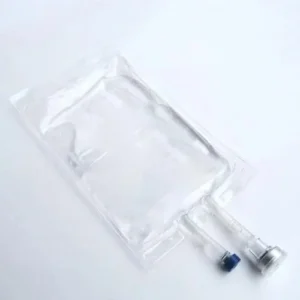
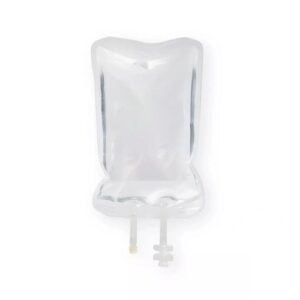
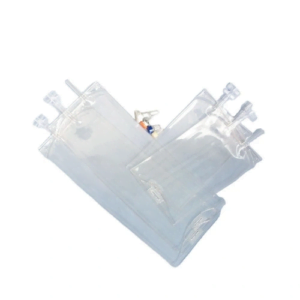
Empty IV Fluid Bags provide a container format for manufacturers and medical packaging buyers who need to prepare, fill, and package suitable intravenous liquid products. Siny Medical supplies IV Fluid Solution Bags as empty containers without prefilled medication or infusion solution. As a result, customers can evaluate these bags for their intended filling and packaging operations.
Selecting an infusion container requires more than choosing a suitable bag size. Manufacturers must also consider the intended solution, filling equipment, port configuration, container integrity, and processing conditions. Each factor can influence whether a particular bag meets the requirements of the finished product.
Unlike prefilled IV solutions, empty infusion bags form part of a packaging system that requires further processing before clinical use. Therefore, manufacturers must establish appropriate filling, sealing, quality-control, and other necessary procedures for the intended application.
Siny Medical offers these IV fluid solution bags for pharmaceutical manufacturers, medical packaging companies, and medical supply distributors seeking empty infusion containers. This guide explains their applications, packaging considerations, and purchasing requirements to help buyers evaluate suitable options.
The defining characteristic of this product is its empty supply condition.
Siny Medical provides these infusion bags without medication or prepared intravenous solution. Therefore, customers can assess the containers for a suitable filling process rather than purchasing a ready-to-administer product.
This distinction is important for pharmaceutical manufacturers. Before filling, they must establish that the selected container matches the intended liquid formulation, processing requirements, and quality-control procedures.
IV fluid bags serve as containers for suitable liquid products within an appropriate packaging system.
Depending on the finished design, an infusion bag may incorporate particular filling connections, ports, closures, and supporting features. These elements can influence how manufacturers fill, seal, handle, and eventually use the container.
However, the term IV fluid bag does not identify a specific material or port arrangement. Buyers should review the actual configuration before selecting a product.
Filling compatibility is an important part of empty IV bag selection.
Manufacturers should evaluate how the bag connects to their filling equipment and how the selected closure system maintains the required container integrity.
For example, an unsuitable filling connection may prevent the container from working with a particular production line. Similarly, a sealing method that does not match the finished bag can create processing difficulties.
Therefore, purchasing teams should confirm the physical configuration and processing requirements before production.
The intended liquid formulation can influence container selection.
Different pharmaceutical solutions may interact with packaging materials in different ways. Depending on the formulation, manufacturers may need to evaluate adsorption, extractables and leachables, or changes in solution stability.
As a result, buyers should assess the actual container material and its interaction with the intended liquid.
An empty infusion bag should not be considered universally compatible with every intravenous medication or solution.
An infusion container must maintain the required integrity during its intended filling, storage, transportation, and use.
Therefore, manufacturers should consider the condition of the bag body, seams, ports, and closures.
Physical damage, unsuitable handling, or incompatible processing conditions may affect container performance. Appropriate inspection and handling procedures can help identify problems before filling.
Empty IV fluid bags may form part of recurring purchasing requirements for manufacturers and distributors.
Clear product identification helps purchasing teams distinguish between different container configurations. In addition, suitable packaging and storage procedures help protect the bags before use.
For customers purchasing multiple bag types, consistent inventory management can also reduce the risk of selecting an unsuitable container during production.
Pharmaceutical manufacturers may evaluate empty infusion bags when developing or producing suitable intravenous liquid products.
The selected container must meet the requirements of the formulation, filling process, and finished packaging system.
For example, manufacturers may need to assess container compatibility, sealing performance, and storage stability before introducing a new bag into production.
These evaluations help determine whether the packaging system is appropriate for the intended product.
Medical packaging companies may use empty IV fluid bags as components in qualified filling and packaging processes.
During production planning, teams should review the bag’s physical configuration and the equipment they intend to use.
Filling connections, closure design, and handling requirements can influence process compatibility. Therefore, a container suitable for one production line may need additional evaluation before use with another.
Contract manufacturers often manage different liquid products and packaging specifications.
Consequently, they must evaluate each container against the requirements of the relevant manufacturing project.
An empty infusion bag may offer a suitable packaging format for one formulation but require different qualification work for another.
Manufacturers should therefore review material compatibility, equipment fit, and processing conditions before adopting a new container.
Healthcare supply chains involve both ready-to-administer infusion products and packaging components used in specialized preparation processes.
Empty IV fluid bags may be relevant to qualified preparation operations or institutional supply arrangements.
However, an empty bag is not equivalent to a finished intravenous solution. Healthcare purchasers must consider the supplied condition and all necessary preparation, processing, and quality-control requirements.
Medical supply distributors may source empty IV fluid bags for pharmaceutical manufacturers, packaging businesses, and other qualified customers.
Clear product information helps distributors distinguish empty containers from prefilled infusion products.
In addition, accurate descriptions of available configurations can help customers identify products that match their purchasing requirements.
For bulk orders, distributors should confirm the relevant product specifications and packaging arrangements before finalizing supply plans.
Empty and prefilled IV bags serve different purposes within pharmaceutical and healthcare supply chains.
Although both may use infusion bag packaging, they differ in their supplied condition and the processing that remains necessary before use.
Empty IV bags contain no prefilled medication or infusion solution.
Manufacturers may evaluate them as packaging components for suitable liquid products. However, they must establish the necessary filling, sealing, processing, and quality-control procedures before supplying a finished product.
Empty bags are therefore relevant to buyers who require containers for a defined packaging operation.
Prefilled IV bags already contain a prepared liquid product.
Depending on the product, the contents may include an infusion solution or another formulated liquid intended for a specific medical application.
These products follow their own manufacturing, quality-control, labeling, storage, and distribution requirements.
Unlike empty bags, prefilled products are purchased as filled liquid presentations rather than unfilled packaging components.
| Feature | Empty IV Fluid Bags | Prefilled IV Solution Bags |
|---|---|---|
| Supplied Condition | Empty / Unfilled | Contains Prepared Liquid |
| Primary Purchasing Purpose | Container for Filling Operations | Finished Filled Product |
| Liquid Formulation | Not Included | Included |
| Filling Before Final Use | Required for Intended Filled Product | Already Completed |
| Packaging Process | Buyer or Qualified Manufacturer Must Establish | Completed by Product Manufacturer |
| Container Compatibility | Must Be Evaluated for Intended Liquid | Evaluated for the Finished Product |
| Quality-Control Focus | Container and Subsequent Processing | Finished Filled Product |
| Typical Buyers | Pharmaceutical Manufacturers, Packaging Companies, Distributors | Healthcare Providers and Medical Supply Buyers |
| Main Selection Factor | Container Configuration and Process Compatibility | Product Formulation and Intended Use |
The correct choice depends on the purchasing objective.
If a manufacturer needs an unfilled container for a qualified production process, an empty IV bag may be appropriate. In contrast, a healthcare buyer seeking a prepared infusion product needs a suitable finished solution rather than an empty container.
Therefore, buyers should confirm the required supply condition before comparing prices, configurations, or ordering quantities.
Choosing Empty IV Fluid Bags requires a clear understanding of the intended liquid product, manufacturing process, and purchasing requirements.
For pharmaceutical manufacturers and medical supply distributors, the following considerations can help organize product evaluation.
First, determine the type of liquid product that the container will hold.
Different formulations may have different compatibility, stability, and processing requirements.
Therefore, manufacturers should define the intended solution before selecting a bag material or configuration.
The physical design of an infusion bag can influence how manufacturers fill, seal, and handle it.
Relevant details may include capacity, port arrangement, closure design, and overall dimensions.
However, these characteristics vary between products. Buyers should confirm the available configuration rather than assuming that every IV fluid bag follows the same design.
Before production, manufacturers should confirm that the container matches their filling equipment.
For example, filling connections and handling systems may require particular dimensions or closure arrangements.
An unsuitable configuration can create production difficulties. Therefore, checking equipment compatibility early can help buyers avoid unnecessary delays.
The container material must be suitable for the intended liquid formulation.
Depending on the application, manufacturers may need to assess material interactions, extractables and leachables, and product stability.
In addition, they should consider the relevant storage conditions and expected contact period between the liquid and its packaging.
These evaluations help determine whether the selected container meets the requirements of the finished product.
Infusion packaging may require specific processing steps, depending on the intended product.
Manufacturers should identify the necessary filling, sealing, sterilization, and quality-control requirements.
However, not every bag material or configuration can tolerate every processing method.
Therefore, the selected container must undergo appropriate evaluation for the intended process.
Empty infusion bags may represent a recurring purchasing requirement.
Purchasing teams should consider expected demand, available configurations, packaging arrangements, and storage requirements.
In addition, clear product identification can help prevent confusion between similar containers.
Where appropriate, sample evaluation or pilot filling trials can help buyers assess suitability before larger orders.
Proper handling helps protect empty infusion bags before filling and processing.
Before use, staff should inspect the container according to the applicable quality procedures. They should check for visible damage, deformation, or irregularities around seams and closures.
During handling, keep bags away from sharp objects and unnecessary contact. If the production process requires a controlled environment, staff should follow the established material-transfer and contamination-control procedures.
Manufacturers must also consider the supplied condition of the container. An empty IV bag does not automatically qualify as a sterile product or a ready-to-administer infusion container.
Instead, the intended application determines the necessary preparation, filling, processing, and quality-control steps.
Store unused IV fluid bags in suitable protective packaging under the applicable product-specific conditions.
In addition, protect the containers from excessive heat, direct sunlight, sharp objects, and handling practices that may cause physical damage.
Keep different bag configurations clearly identified. This helps reduce the risk of accidental substitution during filling or distribution.
Empty IV fluid bags are unfilled containers that manufacturers may evaluate for suitable intravenous liquid packaging applications.
Siny Medical supplies this product as an empty infusion bag. It contains no prefilled medication or infusion solution.
Empty bags contain no liquid and require appropriate filling and processing for the intended finished product. Prefilled bags already contain a prepared liquid formulation.
Manufacturers may evaluate them for suitable filling applications when the container and production process meet the necessary requirements.
Not necessarily. Buyers must verify the supplied condition of the specific product before using it in an application that requires sterile containers.
No. Compatibility depends on the actual container material, liquid formulation, and relevant processing and storage conditions.
Keep them in suitable protective packaging and follow the applicable product-specific storage instructions. In addition, protect them from physical damage and contamination.
Buyers should confirm the available configuration, material information, filling compatibility, supplied condition, packaging arrangements, and intended application.
Siny Medical supplies IV Fluid Solution Bags as empty infusion containers for pharmaceutical manufacturers, medical packaging companies, and medical supply distributors. These bags provide a packaging option for customers evaluating suitable containers for their filling and supply operations. Contact Siny Medical to discuss available configurations, material information, sample evaluation, and bulk purchasing requirements for your intended application.
Copyright © 2026 | Ningbo Siny Medical Technology Co., Ltd